BOOKS

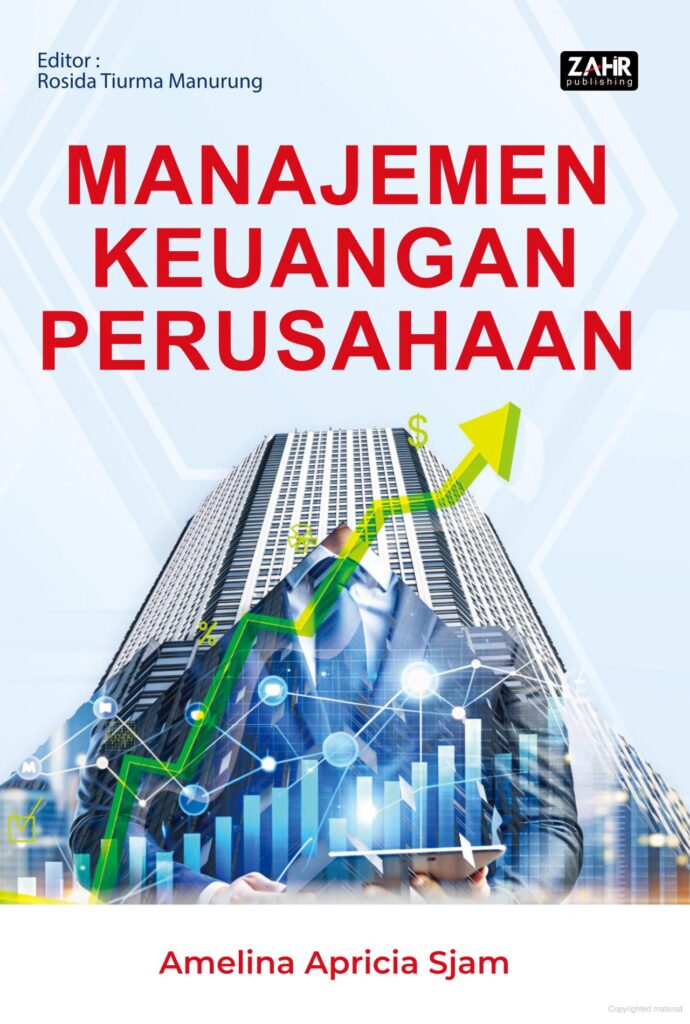
Manajemen Keuangan Perusahaan [Corporate Financial Management]. Zahir Publishing, August 2024.

This university-level textbook introduces essential concepts of corporate financial management, including working capital, cash and receivables management, inventory control, short-term financing, and the time value of money. Designed for undergraduate students in business and finance, the book combines foundational theory with practical applications tailored to the Indonesian context. Each chapter includes clear explanations, learning objectives, exercises, and summaries to support classroom instruction and independent learning.

Manajemen Keuangan [Financial Management]. Zahir Publishing, July 2023

This book provides a practical introduction to financial management for undergraduate students and early-stage learners in business and economics. It covers essential topics such as budgeting, financial analysis, capital structure, and investment decisions. With a clear structure and applied approach, the book helps readers develop the foundational skills needed to make sound financial decisions in business environments.

Perencanaan Keuangan [Personal Financial Planning]. Zahir Publishing, January 2023

This book introduces the fundamentals of personal financial planning, including goal setting, budgeting, saving, investment strategies and portfolio management. Designed for students, young professionals, and anyone seeking to build financial security, it emphasizes practical tools and decision-making frameworks that support informed and responsible financial behaviour throughout different life stages.

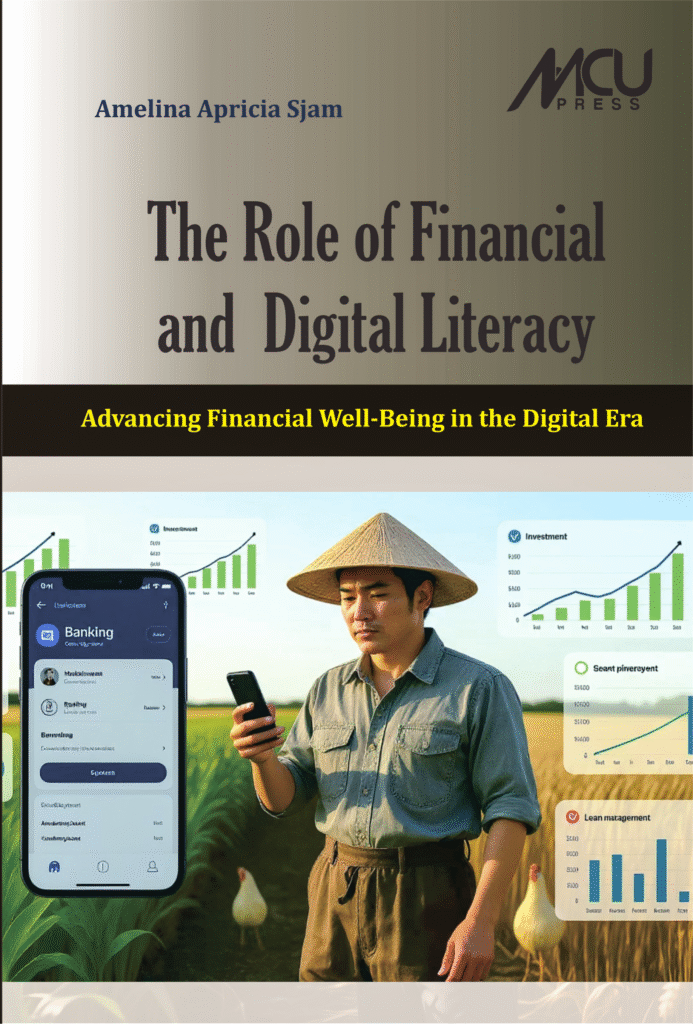
Advancing Financial Well-being in the Digital Era: The Role of Financial and Digital Literacy. Monograph under contract with MCU Press. 2026.

This monograph investigates how financial and digital literacy affect financial well-being across 39 countries, drawing on cross-country data from the 2023 OECD/INFE survey. The findings show that financial literacy is a strong predictor of both perceived and actual financial security. In contrast, digital financial literacy – while increasingly relevant – can have unintended consequences when not accompanied by consumer protection and financial safeguards.

The research highlights that digital access alone is not enough; knowledge must be paired with behavioural guidance and systemic support. These insights offer valuable direction for developing more inclusive financial education and digital financial services, particularly in emerging economies like Indonesia.